Skip to content


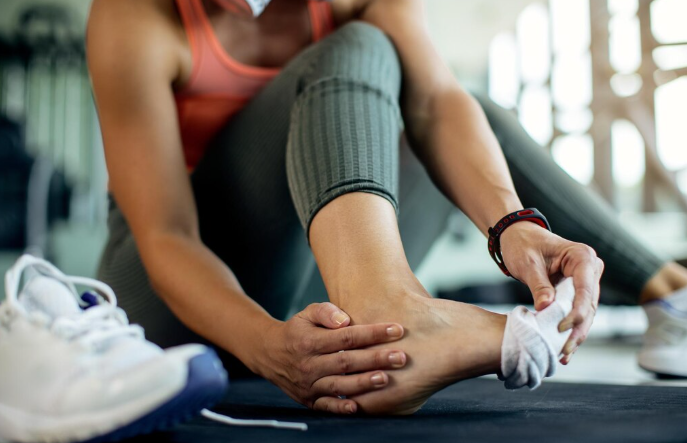
Maybe you run to keep fit, to clear your head, or to train for a race or a marathon. Running is one of the best types of exercises you can do for your body and cardiovascular system. However, knee pain, shin splints, tight calves or glutes is something a runner may experience.
Running injuries happen for many reasons. In this blog, we will look at what causes running injuries and how you can avoid them.
The Most Common Running Injuries
These are the injuries we see most often in runners:
- Runner’s knee – pain around or behind the kneecap.
- Shin splints – pain along the shin bone.
- Achilles tendonitis – pain at the back of the ankle.
- Plantar fasciitis – pain under the heel or foot.
- IT band syndrome – pain on the outside of the knee.
If you have felt any of these, you are not alone, they are very common.
What Actually Causes Running Injuries?
Most runners think injuries happen because they ran too far or too fast. Sometimes that is true.
But usually, the real causes are something else:
1. Doing too much, too soon
This is the number one cause of injury. Your heart and lungs can handle a big jump in training, but your muscles, tendons, and bones cannot. They need time to catch up.
2. Weak muscles
Running uses the same muscles over and over. If your glutes, core, and calves are weak, other parts of your body take the extra load Causing pain and or discomfort.
3. Poor running form
Heel striking hard, overstriding, or bouncing too much can add stress to your joints and if repeated many times eventually the pain begins.
4. Not enough rest or Sleep
Your body repairs itself when you rest, especially when you sleep at night. If you run every day without rest days, your body never gets the chance to heal. Then, the pain starts.
5. Old or worn-out sneakers or trainers
Running shoes lose their cushioning after about 300–500 miles. Running in worn sneakers or trainers is the same as running on hard ground.

How to Avoid Running Injuries: Tips That Work
Here are 5 practical things you can do to avoid running injuries:
1. Follow the 10% rule
Do not increase your weekly mileage or run by no more than 10%.
2. Strengthen your body, not just your running
Do about three strengthening exercises per week and focus on your glutes, core, and calves because strong muscles protect your joints.
3. Take rest days seriously
Your body gets stronger when it rests, not when you push it. Rest days are training days for your recovery.
4. Check your trainers or sneakers
If your shoes are old, worn, or not right for your feet, get new ones. It is one of the simplest ways to prevent injuries.
5. Run gently
Try to land softly, with a heel toe strike and do warm up exercises before you start to run.
What to Do If You Get Injured
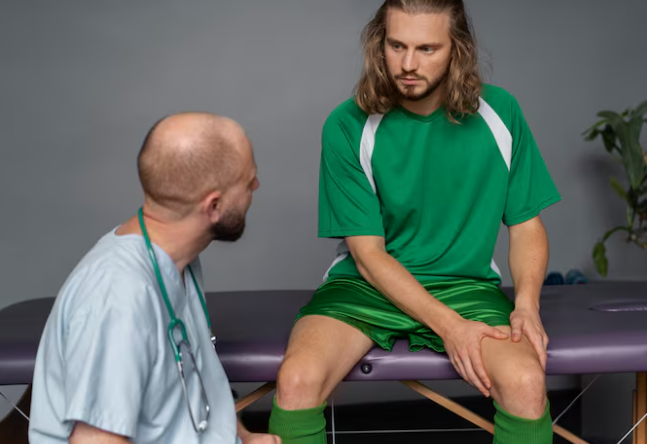
Do not “run through” pain. That is how small problems become big ones. If pain lasts more than a few days, stop and get help. The sooner you act, the faster you heal.
There are effective osteomyologist and chiropractic treatments from a back pain specialist that can speed up your recovery with interferential therapy for sports injuries in Kingston that is a gentle, drug-free therapy that uses small electrical currents to help reduce pain and swelling , support healing and spinal and extremity manipulation is always part of the treatment as well as exercises done in office.

About Achieve Spinal Health
At Achieve Spinal Health, we are a n osteomyology and chiropractic clinic in Kingston upon Thames, and have been helping runners and athletes for over 15 years for their marathon and Triathlon races.
Conclusion
Running injuries are common, but they don’t have to be. Train smart, rest properly, sleep well, eat healthy, strengthen your body, and listen to the early warning signs of any twinges you may feel. If you are already injured do not wait – the sooner you get help, the sooner you get back to the sport you love. If you need running injury treatment in Kingston, we are here for you at Achieve Spinal Health.
And if your injury needs extra support, our interferential therapy for sports injuries in Kingston can help you heal faster and sport taping . Take care of your body, and it will keep taking you where you want to go.